Larry Page, the billionaire co-founder of Google, recently splurged in South Florida by buying two luxury mansions in Miami’s Coconut Grove for a total of $173 million. These purchases come as more wealthy Americans consider moving their assets and, in some cases, their homes out of California because of possible new tax proposals aimed at billionaires.
According to reports first surfaced by The Wall Street Journal, Page, 52, closed on the first of the two properties on December 29, paying $101.5 million for an expansive real estate in Coconut Grove. The residence had entered the market in mid-2024 with an asking price of $135 million, meaning the final sale came at a notable discount despite its rare scale and prestige.
Just days later, Page reportedly finalized the purchase of a second nearby mansion in an off-market transaction valued at $71.9 million. That deal nearly doubled the price the sellers had paid for the property less than five years earlier, underscoring the rapid appreciation seen in Miami’s top-tier luxury housing segment.
A Strategic Shift as Tax Policy Looms
The timing of the purchases has drawn significant attention, as Page’s Miami buying spree coincides with broader discussions around a proposed California ballot initiative that would impose a one-time wealth tax on individuals with net worths exceeding $1 billion. While the measure has not yet been approved, it would apply to anyone classified as a California resident on January 1, 2026, prompting some ultra-high-net-worth individuals to explore alternative domiciles.
Page’s estimated net worth stands at roughly $276 billion, according to the Bloomberg Billionaires Index, placing him among the wealthiest people on the planet. That ranking puts him just behind Tesla founder Elon Musk, who has already moved key business operations to Texas.
Recent reports suggest Page has taken concrete steps in that direction. Business Insider reported that his family office, Koop, was relocated out of California and incorporated in Delaware in late December. Another Page-affiliated business entity, One Aero, was reportedly moved to Florida. While none of these actions confirms a permanent change of personal residency, they align with a broader pattern of billionaires diversifying their geographic and financial footprints.
Miami’s Luxury Market Draws Elite Buyers
Page’s move into Coconut Grove reflects a wider trend playing out across South Florida’s luxury real estate market. According to Lourdes Alatriste, a Miami-based luxury listing agent with Douglas Elliman who specializes in Coconut Grove and Coral Gables, interest from California-based high-net-worth buyers has risen sharply in recent weeks.
She notes that tax considerations are often part of the conversation, but lifestyle factors tend to be the deciding factor. Florida’s lack of a state income tax is appealing, but equally important are the region’s waterfront properties, relative privacy, and refined luxury offerings that avoid the flashiness of other Miami neighborhoods.
In that context, Coconut Grove has emerged as a standout destination. Long known as one of Miami’s oldest neighborhoods, the enclave has undergone a quiet transformation, blending walkability, greenery, and understated affluence in a way that resonates with tech executives, investors, and family offices alike.
Two Estates, Two Distinct Lifestyles
Page’s newly acquired homes offer sharply different experiences, giving the billionaire flexibility rather than a single sprawling compound. The two properties are not adjacent; instead, they are located about a four-minute drive apart, allowing Page to enjoy distinct environments within the same neighborhood.
The larger and more expensive of the two homes is Banyan Ridge Estate, a sprawling 11,800-square-foot property set on roughly four acres of land. Built in 2008, the estate was previously owned by the late restaurateur Jonathan Lewis and is considered one of Coconut Grove’s most secluded private residences.
While Banyan Ridge does not sit directly on the water, it compensates with scale and serenity. The estate includes multiple structures spread across lush tropical grounds, connected by winding pathways, meditation gardens, and secluded courtyards. Listing descriptions have compared the setting to a private resort, emphasizing infinity pools, expansive terraces, and a gated layout designed for privacy and long-term legacy ownership.
The second residence, known as Casa Bahia, presents a stark contrast. Built in 2015, the modernist home sits on a smaller parcel, less than an acre, but boasts private waterfront exposure on two sides along Biscayne Bay. With approximately 10,400 square feet of interior space and seven bedrooms, the home emphasizes clean lines, glass walls, and seamless indoor-outdoor living.
Previous marketing materials described Casa Bahia as appearing to “float” above the surrounding water and greenery, blurring the boundary between architecture and nature. The property last sold in April 2021 for $45.9 million, making Page’s $71.9 million purchase a striking example of how quickly values have risen in this segment.
Sellers With Notable Pedigrees
Both transactions also involved sellers with prominent backgrounds. Banyan Ridge had been owned by Jonathan Lewis, who purchased the land in the early 2000s and developed the estate as a private sanctuary. Casa Bahia, meanwhile, was sold by Sloan Lindemann Barnett, daughter of fossil fuel magnate George Lindemann, and her husband, Roger Barnett.
The fact that both homes traded at such lofty prices further cements Coconut Grove’s status as a global destination for ultra-wealthy buyers seeking privacy without isolation.
A Broader Migration of Tech Wealth
Page is far from alone in exploring opportunities outside California. On New Year’s Eve, venture capitalists Peter Thiel and David Sacks publicly announced new satellite offices in Florida and Texas, moves widely interpreted as part of a broader effort to establish alternative business and residency ties.
The Wall Street Journal has also reported that Page’s Google co-founder, Sergey Brin, is in discussions to purchase property in Miami, potentially adding another tech titan to the region’s growing roster of elite residents.
Despite the Miami acquisitions, it remains unclear whether Page plans to sell his longtime California residence, a massive Palo Alto compound he began developing in the early 2000s. For now, the Coconut Grove purchases appear to complement rather than replace his West Coast holdings.
Why Coconut Grove Stands Out
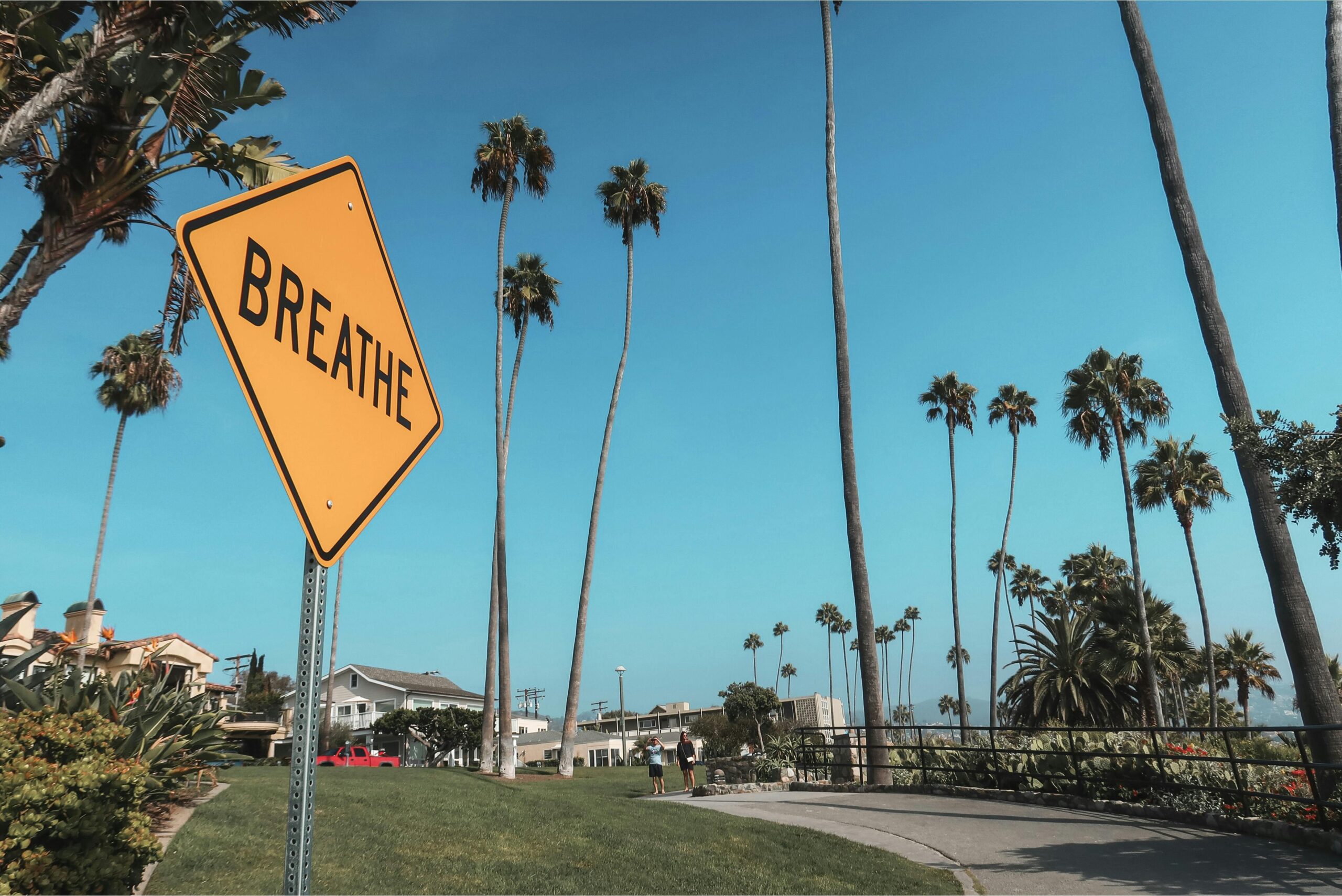
One reason Coconut Grove is popular is something rarely associated with ultra-luxury real estate: walkability. In a city known for car-centric development, the Grove offers shaded streets, waterfront paths, and easy access to dining, shopping, and schools.
The neighborhood’s revival has been fueled in part by the redevelopment of Cocowalk, a village-style retail and dining hub reimagined in 2021. Today, Cocowalk features boutique shops, independent restaurants, a luxury cinema, wellness studios, and landscaped public spaces overlooking the marina.
Local agents say this pedestrian-friendly environment has driven dramatic price appreciation. Homes that struggled to sell for $10 million just a few years ago are now commanding $30 million or more, largely because buyers value the ability to integrate daily life with their surroundings.
To buyers such as Page, who can afford virtually any location in the world, Coconut Grove offers a rare blend of privacy, sophistication, and livability. As tax policy debates continue and Florida’s appeal grows, Page’s $173 million bet on Miami may prove to be less an outlier and more a signal of where ultra-luxury real estate demand is heading next.