
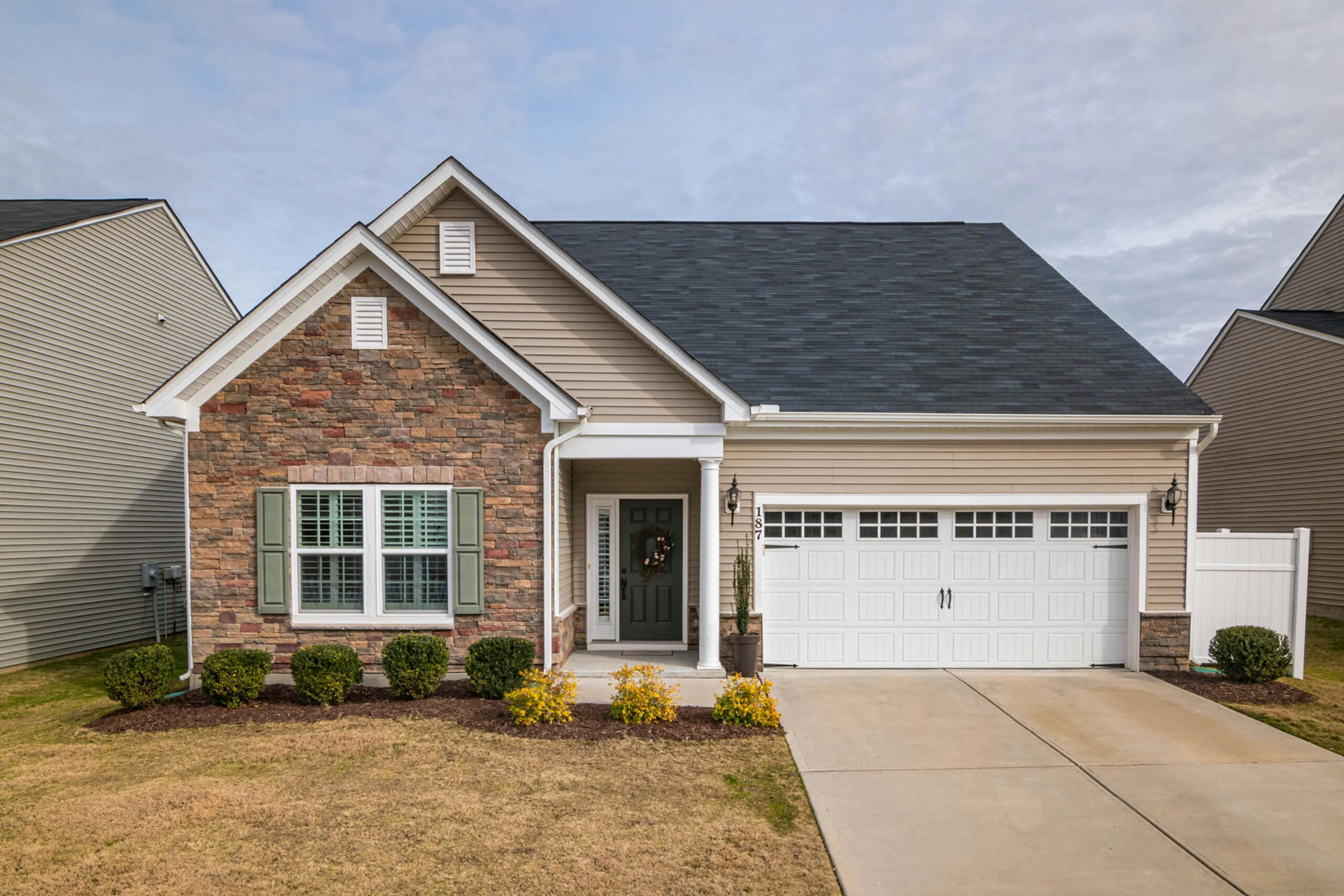
To a lot of Americans, homeownership has long stood for financial stability and personal progress. However, new data show that this dream is becoming harder to achieve for millions, especially young adults.
A recent report from Bankrate found that nearly three-quarters of Americans are unable to afford to buy a home in today’s market. The findings echo concerns nationwide as rising mortgage rates, elevated home prices, and stagnant wages push first-time buyers to the sidelines.
For prospective homeowners like 24-year-old Jackson Hilker, the numbers feel discouraging.
“It’s always been a major milestone in life,” Hilker said. “But realistically, I don’t see myself being able to buy a home in the next five or even ten years. It’s frustrating for a lot of people my age.”
The Affordability Gap Widens in Utah
Utah, one of the nation’s fastest-growing states, has seen housing costs accelerate at a pace far beyond household income.
According to Realtor.com’s latest affordability calculations, a household in Utah now needs to make nearly $169,000 per year to afford a typical three-bedroom home. For many renters and younger workers, that income threshold feels out of reach.
Hilker described the figure as “ridiculous,” noting that few early-career professionals earn anything close to that amount.
Economists say the concern is warranted. The divide between what homes cost and what residents earn continues to widen sharply.
When 2News asked whether Utah housing is affordable, the answer from industry experts was straightforward.
“For first-time buyers? No,” said Dejan Eskic, Chief Economist for the Salt Lake Board of Realtors. “Roughly 90% renters in Utah cannot afford homes that are median-priced.”
He said the shift happened quickly. In 2021, at the height of the pandemic housing boom, Utah’s median mortgage payment for new buyers hovered around $1,500 per month. Today, it has climbed to approximately $3,500, more than double in just a few years.
“That’s a huge jump for households trying to qualify,” Eskic said.
What’s Ahead in 2026?
Looking toward the next few years, Eskic cautions that buyers should not expect sweeping changes. He forecasts Utah’s housing market in 2026 to look much like it does today: stable, tight, and expensive.
“It’s pretty similar to what we saw this year,” he said. “Not major movements up or down. Even though interest rates have come down, they’re still elevated compared to historic norms.”
One change he does anticipate is a modest increase in available listings, which may give buyers a bit more negotiating room.
“There’s more supply now,” Eskic said. “You’re not competing against 40 offers on every home, and that alone makes the market feel less cutthroat than it was during the pandemic.”
Mortgage Experts: Stop Waiting for 3% Rates
Mortgage professionals agree that the market remains challenging, but they also warn buyers not to anchor their decisions on the ultra-low interest rates of 2020 and 2021.
Braxton Mora, a senior mortgage loan officer at Kai Mortgage, thinks the 3 % can be looked at as an anomaly. “They’re not something buyers should expect to see again any time soon.”
Instead of waiting for rates to plunge, Mora says buyers should center their planning around what they can realistically afford on a monthly basis.
“It’s important to build your entire approach around payment,” he explained. “Ask: What does my family situation look like? What do I need to feel comfortable each month? And how does that translate into a realistic price range?”
Mora emphasizes that even in a higher-rate environment, the long-term benefits of owning, equity gains, appreciation, and stability, still hold significant value.
“Getting into a home, even at a higher rate, can still be worthwhile,” he said. “You can always refinance later if rates drop, but you can’t go back and recapture equity you never built.”
Utah’s Median Home Price Continues to Climb
Despite a cooling economy, Utah home prices remain stubbornly high. According to Redfin, the state’s median home price reached about $578,000 in early 2025. While price growth has slowed compared to the double-digit spikes seen during the pandemic, affordability remains a major obstacle.
Economists point to a combination of factors driving Utah’s affordability crisis:
- Rapid population growth outpacing construction.
- Limited land availability, particularly along the Wasatch Front
- Higher construction costs, including labor and materials
- Persistent demand from out-of-state buyers
These pressures, experts say, will continue shaping the market well into the next decade.
Homeownership Isn’t Easy, but It’s Still Possible
Despite the bleak data, both economists and mortgage advisors stress that homeownership is not impossible. It simply requires more strategic preparation than in previous generations.
Experts recommend:
- Building savings early for down payment and closing costs
- Improving credit scores to qualify for better rates
- Considering smaller starter homes or condos
- Exploring down payment assistance programs
- Being flexible on location, considering areas further from city centers
Even incremental steps, Mora says, can meaningfully change a buyer’s financial picture.
“People sometimes assume they’re completely priced out, but often, with discipline and planning, they’re closer than they think,” he said.

The Path Forward
For Utah residents like Hilker, the road to homeownership may be longer and steeper than it was for those in the past. But market specialists remain firm that homeownership is still achievable, with careful budgeting, realistic expectations, and a willingness to adapt.
“It’s harder today, no question,” Eskic said. “But with the right preparation, buyers can still find their path into the market.”
As affordability challenges deepen across the state, one thing is clear: the dream of homeownership isn’t disappearing, it’s evolving.