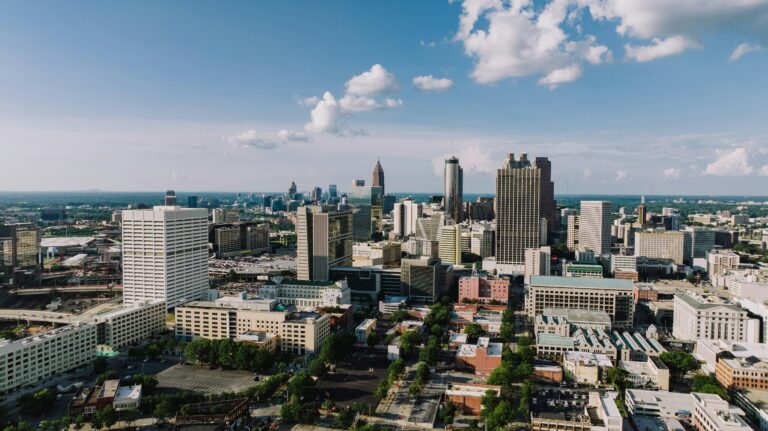
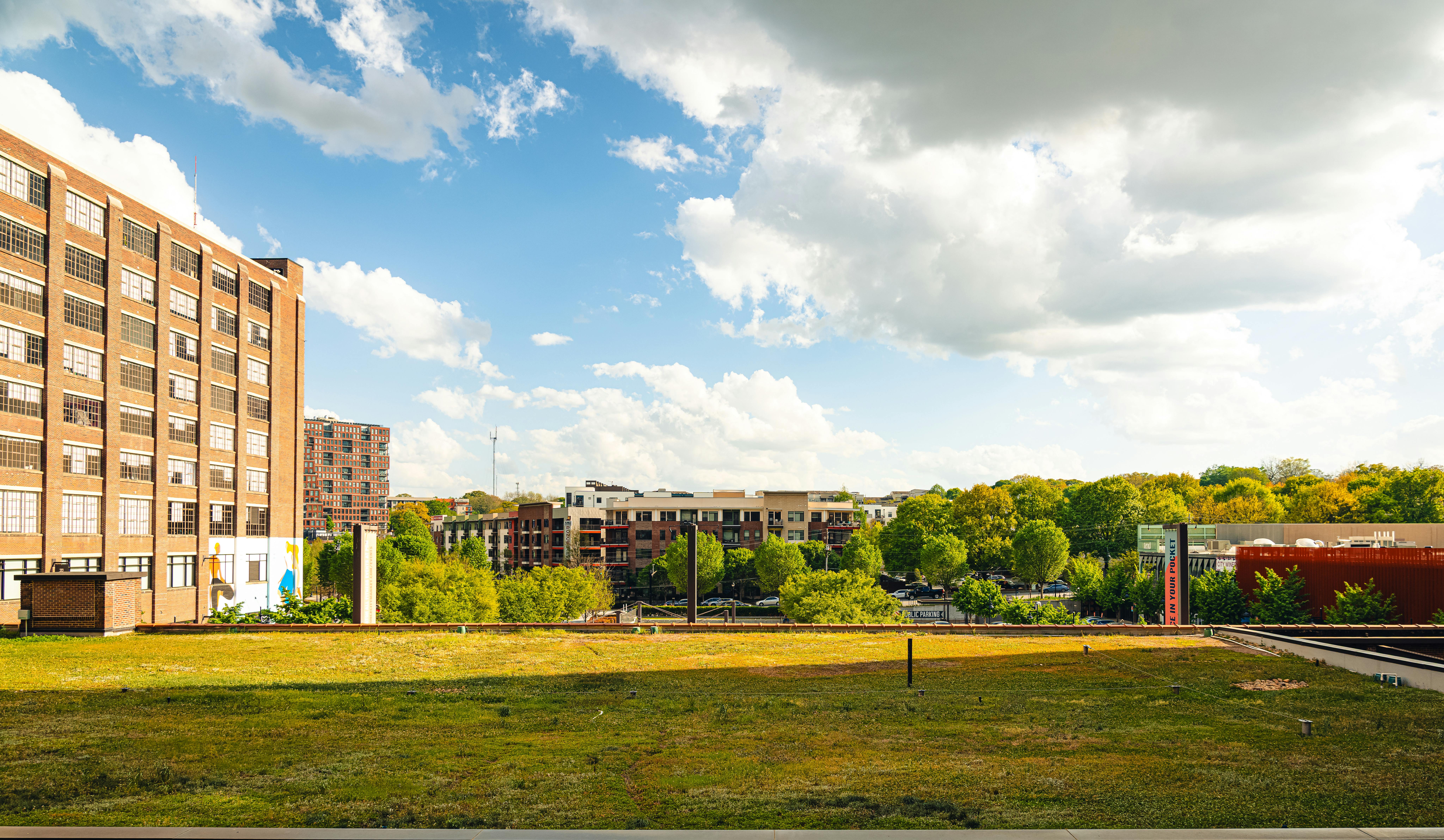
Berkadia, one of Atlanta’s leading real estate firms, has secured a long-term financing deal for Trinity Central Flats worth $23.3 million. The 10-story property, located across from City Hall, will advance the city’s efforts to expand affordable housing in the urban core. The move is seen as one way of helping revitalize downtown Atlanta.
The financing was arranged by Berkadia Managing Director Carolyn Whatley and Director Angela Folkers of the firm’s FHA/HUD platform on behalf of Radiant Development Partners and EQH Trinity Flats, LLC. The transaction closed on December 18, 2025, and reflects the growing importance of public-private collaboration in addressing housing affordability challenges in major metropolitan areas.
Long-term Structure Supports Affordability Goals
The loan carries a 40-year term and is fully amortizing and non-recourse, a structure commonly used in complex affordable housing developments to provide long-term financial stability. By pairing federal and state low-income housing tax credits with tax-exempt bonds and local government support, the Trinity Central Flats financing demonstrates how layered capital stacks can help make large-scale mixed-income housing projects financially viable.
In total, the project represents an $88.7 million investment fueled by eight separate funding sources. The financing structure highlights the crucial role of coordination among private developers, lenders, and public agencies in delivering rental housing that remains affordable over time.
“This project shows what’s possible when experienced partners come together around a shared vision,” said Sharon D. Guest, founder and principal of Radiant Development Partners. The guest brings nearly three decades of experience in the affordable housing sector and has led the effort to assemble the development and financing team.
A Strategic Downtown Location
Trinity Central Flats is planned for a site directly across from Atlanta City Hall, placing it within walking distance of major employment centers, government offices, health care facilities, and retail services. The location also offers proximity to public transit and regional medical centers, factors that are increasingly important for residents seeking access to jobs and essential services without relying heavily on a car.
The project will feature a mix of studio, one-bedroom, two-bedroom, and three-bedroom apartments, catering to a wide range of household sizes and income levels. In addition to residential units, the development will include approximately 6,721 square feet of ground-floor commercial space, adding street-level activity and amenities that can serve both residents and the surrounding community.
City officials have emphasized that developments like Trinity Central Flats are essential to sustaining downtown Atlanta as a mixed-use, mixed-income neighborhood rather than a district dominated solely by offices or luxury housing.
Public-Private Partnership at Work
According to Berkadia, the transaction highlights the effectiveness of partnerships between private developers and public-sector stakeholders. Support from the City of Atlanta, along with coordination from the U.S. Department of Housing and Urban Development’s Southeast multifamily housing team, played a critical role in moving the deal from concept to closing.
“These types of developments don’t happen without a lot of moving parts,” said Whatley. “Affordable housing transactions are inherently complex, and this one was no exception. Sharon Guest’s ability to navigate challenges, pivot when needed, and bring additional resources to the table was impressive.”
Whatley added that Guest’s leadership positions Radiant Development Partners for continued growth as demand for affordable and workforce housing remains strong across the Southeast.
Responding to Atlanta’s Housing Needs
Atlanta, like many fast-growing U.S. cities, continues to face pressure from rising housing costs and limited supply, particularly for households earning moderate or below-average incomes. While new construction has expanded in recent years, much of it has targeted higher-end renters, leaving a gap in housing options that Trinity Central Flats aims to help fill.
Mixed-income developments are increasingly viewed as a solution that balances financial feasibility with social impact. By blending affordable and market-rate units within the same property, developers can create economically diverse communities while maintaining the long-term sustainability of the asset.
Guest said Trinity Central Flats was designed with that balance in mind. “This is about delivering high-quality homes in a location where people can truly thrive,” she said. “We believe affordable housing should be well-designed, well-located, and integrated into the fabric of the city.”
Berkadia’s Expanding Affordable Housing Footprint
For Berkadia, the financing adds to a growing portfolio of HUD-insured and affordable housing transactions nationwide. The firm has increasingly focused on helping developers access long-term capital solutions that support housing stability, particularly in urban markets with acute affordability challenges.
Industry observers note that FHA/HUD financing has become an essential tool for developers pursuing mixed-income and affordable housing projects, offering longer terms and lower risk profiles compared to conventional debt.
Looking Ahead
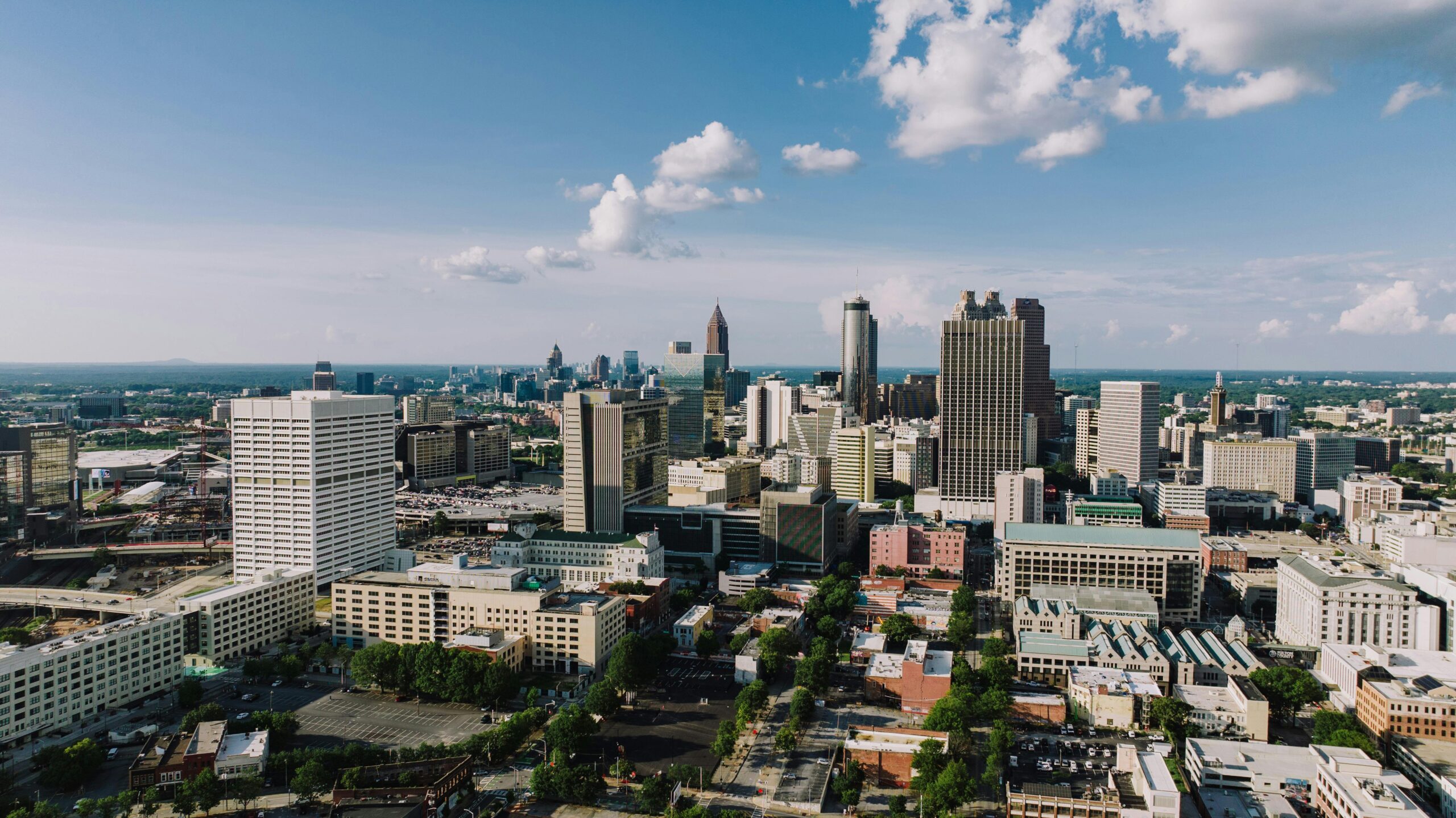
Construction timelines and leasing plans for Trinity Central Flats have not yet been publicly detailed. Stakeholders expressed confidence that the project will move forward smoothly, now that financing is in place. Once completed, the development is expected to contribute not only new housing units but also economic activity and vitality to downtown Atlanta.
As cities across the country search for scalable solutions to housing affordability, projects like Trinity Central Flats offer a blueprint for how coordinated investment, experienced leadership, and public-sector engagement can come together to deliver meaningful results.
“This closing represents more than just a loan,” Guest said. “It’s a commitment, to families, to the city, and to the idea that affordable housing can be transformative when done right.”