Almost a year after the Palisades and Eaton wildfires hit Los Angeles County, new data is showing just how the local housing market was disrupted. The recovery has been uneven. While tens of billions of dollars in homes were at risk or lost, more of the land is now being sold, often to investors.
Two new studies help explain what has happened since the fires. They show the huge loss of homes and how tough rebuilding, insurance issues, and money problems are, changing who can or wants to come back.
Tens of Billions in Housing Value at Risk
A new report estimates that approximately $46 billion in housing value was located within the burn perimeters of the Palisades and Eaton fires. That figure represents nearly 19,600 residential units, underscoring how heavily developed and expensive these neighborhoods were before disaster struck. The median home value inside the burn zones was estimated at $1.95 million, highlighting the concentration of wealth at risk.
A separate study conducted by the Los Angeles County Economic Development Corporation and commissioned by the Southern California Leadership Council earlier this year provides further context. That analysis concluded that more than 11,000 homes were ultimately destroyed, a staggering loss that continues to reverberate across the region’s housing system.
While some residents have rebuilt or remain committed to doing so, others have moved on—either by choice or necessity. The result is a patchwork recovery, with pockets of rebuilding alongside a growing inventory of empty parcels.
Supply Shock Ripples Through the Market
The fires did more than destroy homes; they also altered the balance of supply and demand across nearby communities. According to Zillow’s analysis, the most pronounced impact has been on housing supply rather than immediate price declines.
“While home values nearby have dipped slightly, generally tracking broader Los Angeles trends, the most visible effect has been a sudden shift in supply,” said Orphe Divounguy, senior economist at Zillow, in the report.
In particular, Zillow identified a sharp increase in listings just outside the burn zones. Some homeowners appear to have accelerated previously planned sales, while others, especially owners of second homes, may be responding to uncertainty about future demand, insurance availability, and rebuilding timelines.
This sudden influx of listings has added complexity to an already strained housing market. Even modest increases in inventory can have a significant impact in Los Angeles, where housing supply has historically lagged behind population growth and demand.
Insurance Crisis Compounds the Damage
Layered on top of physical destruction is California’s ongoing home insurance crisis, which has intensified in wildfire-prone regions. In some parts of Los Angeles County, insurance coverage has become prohibitively expensive, or altogether unavailable, due to climate-related risks.
These challenges are now directly affecting real estate transactions. Deals have fallen apart when buyers are unable to secure coverage, and insurance-related cancellations nearly doubled between 2023 and 2024, according to industry data cited in recent analyses.
For homeowners attempting to rebuild, rising premiums and stricter underwriting standards have added another barrier. For buyers considering properties near burn zones, insurance uncertainty can significantly depress demand or force price concessions.
Residents Face Difficult Choices
In communities like Altadena and parts of the Pacific Palisades, stories of resilience remain common. Some homeowners are determined to rebuild, despite the mounting costs and delays. But not everyone has that option.
A December 30 analysis by Redfin found that many sellers in fire-affected areas are elderly, underinsured, or lack the financial resources needed to rebuild. For these households, selling the land may be the only viable path forward.
“People who plan to stay are encouraging others not to sell because of how much it could change the neighborhood,” said Redfin Premier agent Sylva Khayalian in the report. “But for some residents, selling is the only option that makes financial sense.”
These dynamics have opened the door for investors, who often have the capital, patience, and risk tolerance required to navigate long rebuilding timelines.
Investors Step In and Scale Up
Investor activity has become increasingly visible across fire-impacted neighborhoods. In the third quarter of 2025, investors purchased roughly 40% of vacant lots sold in the Pacific Palisades, Altadena, and Malibu areas, according to Redfin researchers. Notably, about 80% of those lots previously held a home, indicating that investors are acquiring land specifically for redevelopment rather than speculative holding alone.
This trend reflects a broader national pattern in which investors move into disaster-affected areas once initial uncertainty gives way to clearer rebuilding rules and pricing adjustments. In Los Angeles, however, the scale and pace of investor activity are drawing heightened attention because of the city’s already severe housing affordability challenges.
Vacant Lots Pile Up Faster Than Buyers
Despite rising investor interest, vacant lots are accumulating faster than they are being absorbed. New listing data illustrates just how dramatically the landscape has changed over the past year.
In the Pacific Palisades, only seven vacant lots were listed between September and November of 2024. During the same period in 2025, that number jumped to 309 listings. Altadena experienced a similar surge, rising from just two lot listings to 225 year over year. Malibu also saw a significant increase, with listings climbing from 125 to 214.
With more land on the market than buyers ready to act, many sellers have been forced to cut prices. Unsold lots are lingering longer, reflecting both the uncertainty surrounding rebuilding and the limited pool of buyers willing to take on the risks involved.
A Recovery That May Reshape Communities
As the first anniversary of the fires approaches, it is increasingly clear that recovery will be neither quick nor uniform. While some homeowners will return and rebuild, others will sell, and still others will leave the region altogether. The growing role of outside capital raises questions about how these neighborhoods will ultimately look and who will live there.
Investor-led rebuilding could increase housing supply over time, potentially easing pressure in some segments of the market. But it could also lead to larger, more expensive homes that further shift the character of affected communities and limit access for middle-income buyers.
Local leaders and housing advocates are closely watching these developments, mindful that post-disaster rebuilding often shapes neighborhoods for decades to come.
An Uncertain Path Forward
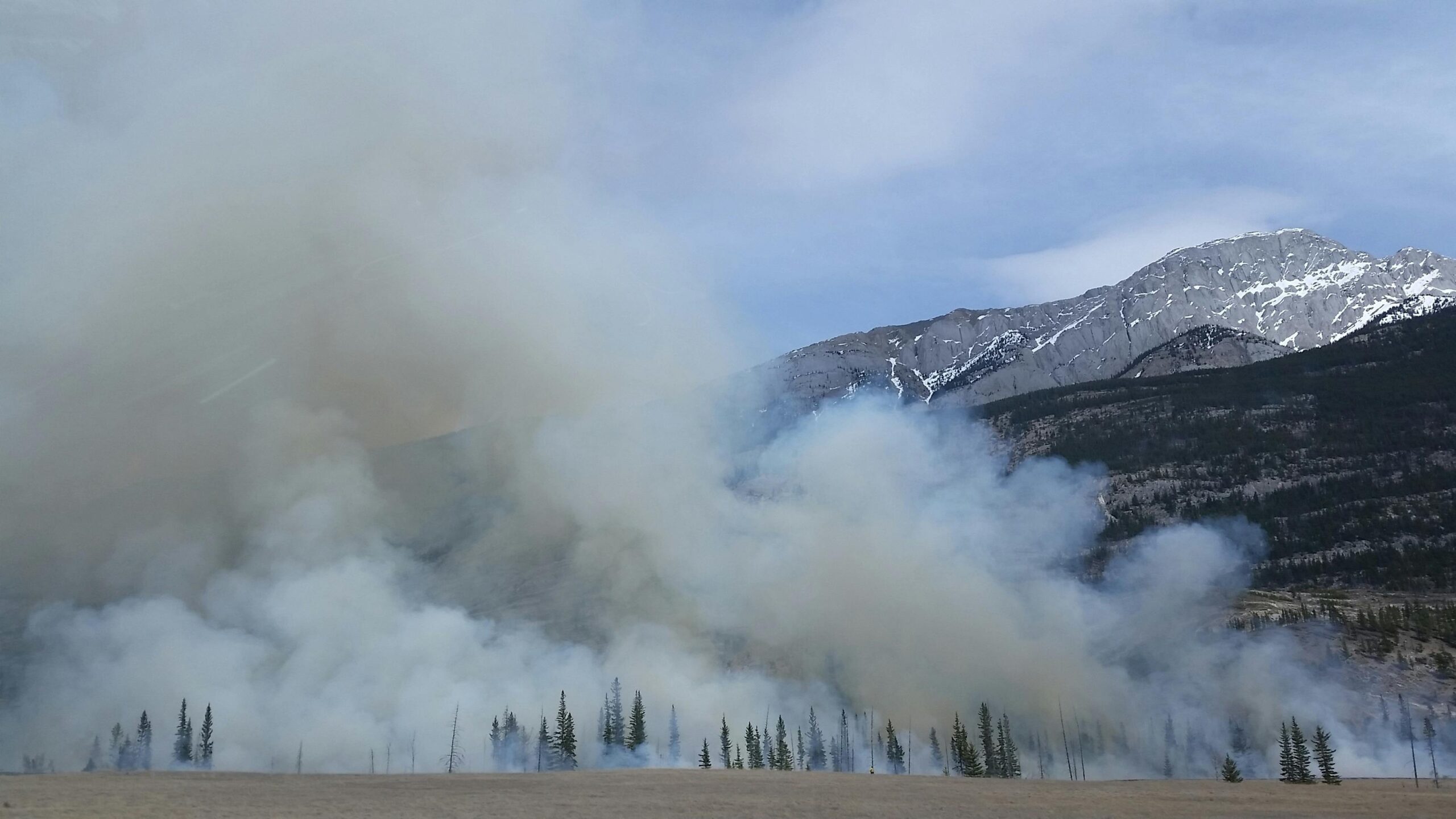
The fires marked a turning point for thousands of Los Angeles residents. One year later, the physical scars remain visible, but so do the economic and social ones. With insurance challenges, affordability pressures, and investor activity converging, the region faces a complex rebuilding phase that will test policymakers, residents, and markets alike.
What emerges from the ashes may not simply be a restored version of what was lost, but a fundamentally reshaped housing landscape, one where recovery, opportunity, and displacement coexist in uneasy balance.