
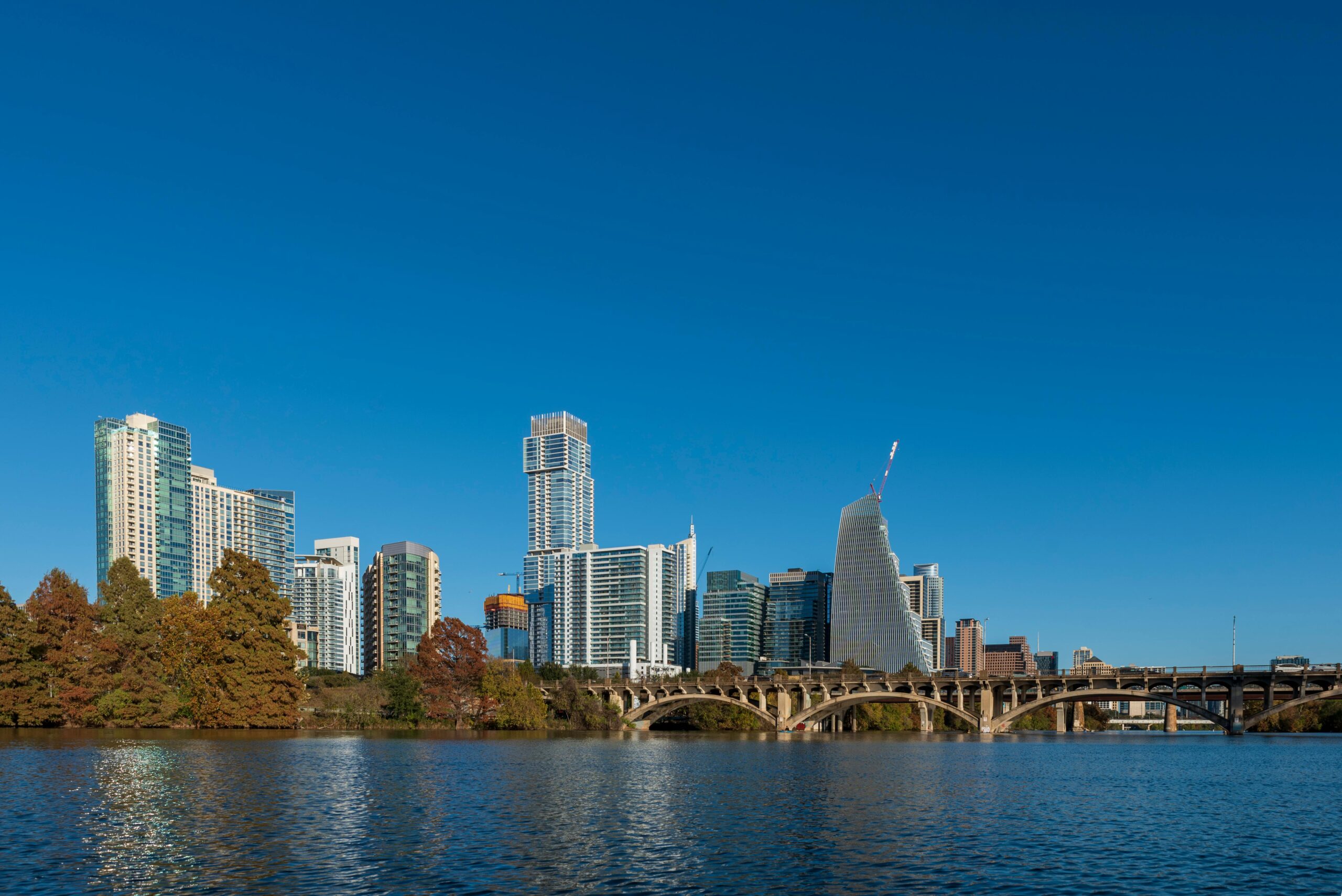
Austin, Texas, is the area that’s standing out as the toughest place to save for a down payment in the state. A new analysis shows that people in Austin now have to wait longer than buyers in any other major Texas city. This shows that rising costs are changing the housing market.
The study, released by Realtor.com, found that the typical household in the Austin–Round Rock–San Marcos region needs an estimated 8.2 years to accumulate enough savings for a standard down payment. That figure exceeds the national average of roughly seven years and underscores how Austin’s rapid growth over the past decade has fundamentally altered its housing market.
A Longer Climb Despite Strong Incomes
What makes Austin’s situation especially striking is that it is not a low-income market. In fact, the metro boasts one of the highest median household incomes in Texas, along with comparatively strong annual savings. Yet those advantages have been outpaced by rising home prices and larger required down payments.
The median down payment in the Austin area was calculated to be $43,216, the highest among the Texas metros included in the study. Even with a median household income of $103,432 and average annual savings of more than $5,200, buyers still face a longer savings timeline than elsewhere in the state.
Housing economists say this gap illustrates a broader trend playing out in many fast-growing, high-demand cities: incomes have risen, but home prices, and therefore down payment requirements, have risen faster.
“In higher-cost markets, the down payment alone can exceed an entire year’s income,” noted a senior economist involved in the analysis. “That reality makes homeownership feel out of reach, especially for younger households trying to buy for the first time.”
How the Study Was Calculated
The Realtor.com study relied on a combination of 2025 economic data, including median household income, the average personal savings rate, and median down payment amounts. Savings timelines were estimated using monthly savings behavior through September and down payment figures through November, applied to the 50 largest metropolitan areas in the United States.
Nationally, the time required to save for a down payment has improved compared with its peak during the pandemic-era housing boom, when buyers needed as long as 12 years on average. Still, today’s seven-year national figure remains roughly double the pre-pandemic norm, reflecting how lasting the affordability shock has been.
Austin’s 8.2-year timeline places it above average, but not among the most extreme markets nationwide.
Texas Shows Wide Affordability Gaps
While Austin sits at the top of the Texas rankings for the longest savings timeline, other metros in the state tell very different stories.
Just south of Austin, the San Antonio–New Braunfels metro emerged as the fastest place in Texas to save for a down payment. There, buyers need only about 1.3 years to accumulate the required cash. The median down payment in San Antonio was estimated at just over $5,000, supported by a median household income of roughly $77,000.
A major factor behind San Antonio’s favorable numbers is its large military population. Many buyers qualify for VA loans, which allow eligible borrowers to purchase homes with little or no down payment, dramatically shortening the savings timeline.
Other Texas metros fall between these two extremes. In the Houston–The Woodlands–Pasadena area, buyers need about 3.5 years to save for a median down payment of nearly $15,000, supported by household incomes in the low-to-mid $80,000 range.
The Dallas–Fort Worth–Arlington metro, despite having a higher median household income than Houston, requires a longer savings period of about 5.4 years. That’s largely because higher home prices push the median down payment to more than $25,000, offsetting income gains.
Together, these figures illustrate how sharply affordability can vary even within a single state, depending on home prices, financing options, and local economic conditions.
Austin Is Costly, but Not the Worst Nationally
Despite leading Texas in down payment difficulty, Austin does not rank among the most challenging markets nationwide. That distinction belongs overwhelmingly to coastal California metros, where savings timelines stretch into decades.
The study found that the San Francisco–Oakland–Fremont metro tops the list nationally, with an estimated 36.5 years required to save for a typical down payment. Several other California regions also posted double-digit timelines, reflecting extreme price-to-income imbalances.
By comparison, Austin’s challenges, while significant, remain modest on a national scale, though they feel anything but manageable for local buyers trying to break into the market.
First-Time Buyers Feel the Pressure Most
The growing difficulty of saving for a down payment has had profound implications for first-time buyers, particularly younger households. According to recent data from the National Association of Realtors, first-time buyers now make up just 21% of all home purchases, the lowest share recorded since the early 1980s.
The median age of a first-time buyer has climbed to 40, another record high. Analysts say these shifts reflect how long it now takes to accumulate savings, stabilize income, and feel financially secure enough to buy, especially in high-cost markets like Austin.
Gen Z and younger millennial buyers, in particular, are increasingly delaying homeownership or opting to rent longer. While that decision can be strategic, it also means many are missing out on earlier equity-building opportunities that prior generations enjoyed.
Renting May Offer Breathing Room, for Now
One potential silver lining for would-be buyers is the rental market. Nationwide, average rents have begun to ease, giving some renters more room to save. In theory, lower rent burdens could allow households to redirect money toward down payment funds.
However, experts caution that saving remains difficult. The average personal savings rate has declined from its pre-pandemic norm of around 6.5% and is well below the elevated levels seen during the pandemic, when stimulus payments and reduced spending boosted savings across the economy.
At the same time, down payment amounts have risen sharply. In 2019, the average U.S. homebuyer put down about $13,900. By the third quarter of 2025, that figure had more than doubled to roughly $30,400, driven by higher prices and more competitive markets.
The Dream Persists Despite the Barriers
Even as affordability challenges mount, the aspiration of homeownership remains deeply ingrained. Surveys consistently show that roughly three-quarters of Americans still view owning a home as a core part of the American dream.
Housing economists emphasize that progress toward that goal often begins with incremental steps. Consistent saving, even in modest amounts, can build momentum over time and position buyers to act when conditions align.
“In today’s market, having a financial cushion can make a meaningful difference,” one analyst noted. “Saving steadily, even when the goal feels far away, helps buyers be ready when the opportunity finally comes.”
Austin’s Housing Reality in Context
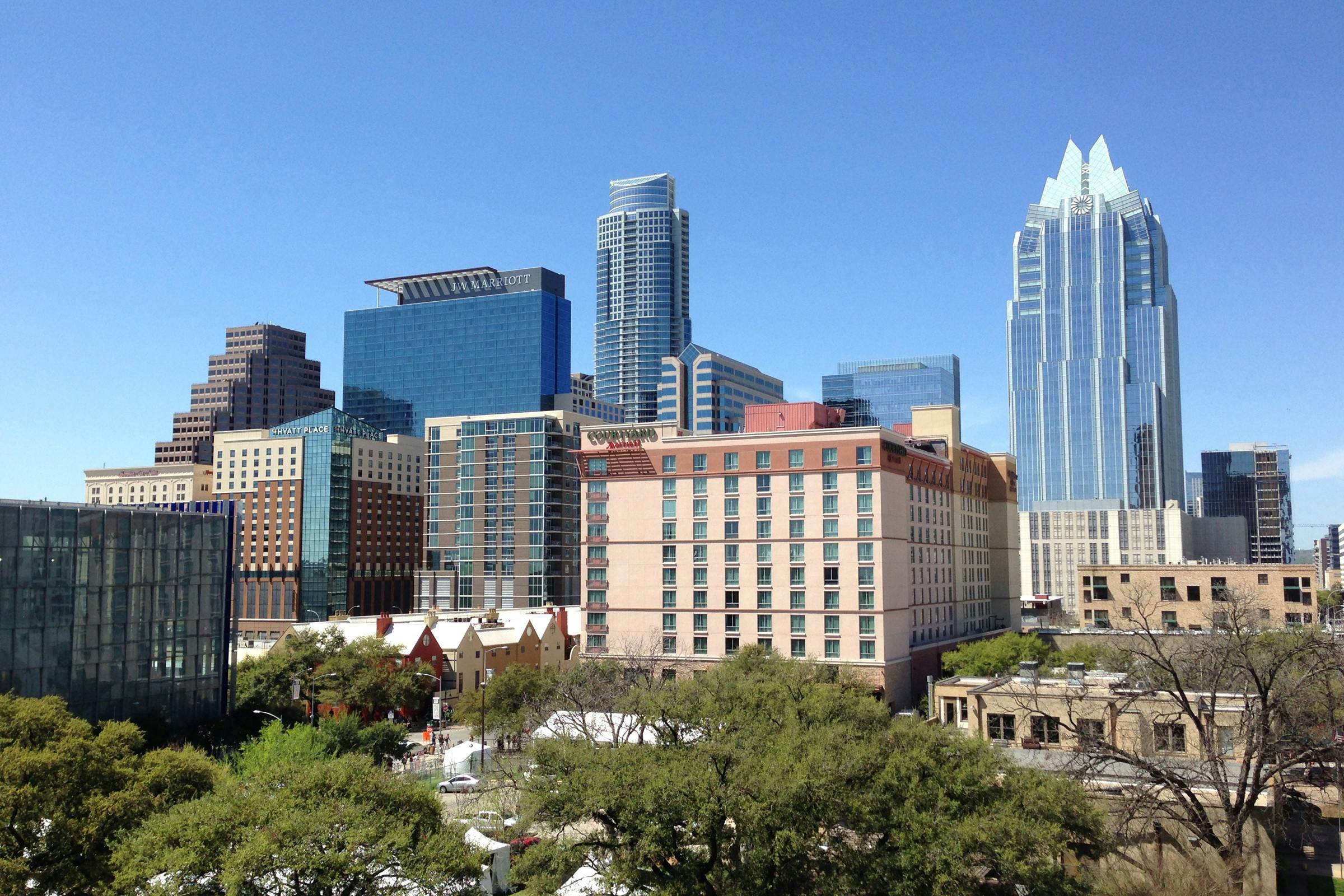
Austin’s long down payment timeline reflects its success as well as its challenges. The metro’s strong job market, population growth, and desirability have fueled rising prices that now test the limits of affordability, even for relatively high-earning households.
As policymakers, builders, and lenders look ahead, the findings underscore the importance of expanding housing supply, supporting first-time buyers, and exploring financing tools that can shorten the path to ownership.
Today, aspiring Austin homeowners face a longer climb than anywhere else in Texas, one that requires patience, planning, and persistence in an increasingly complex housing market.