Florida’s residential real estate market is expected to continue dipping in 2026. This is according to new projections released as part of Realtor.com’s latest national housing forecast. The outlook suggests that price softness across much of the Sunshine State is far from over, particularly in markets that saw aggressive construction and price run-ups earlier this decade.
In Florida’s eight largest metropolitan areas, median sale prices for existing homes and condominiums are forecast to decline by an average of 1.9% next year. That projected drop contrasts sharply with the broader U.S. outlook, where home prices are expected to increase by roughly 2.2% in 2026.
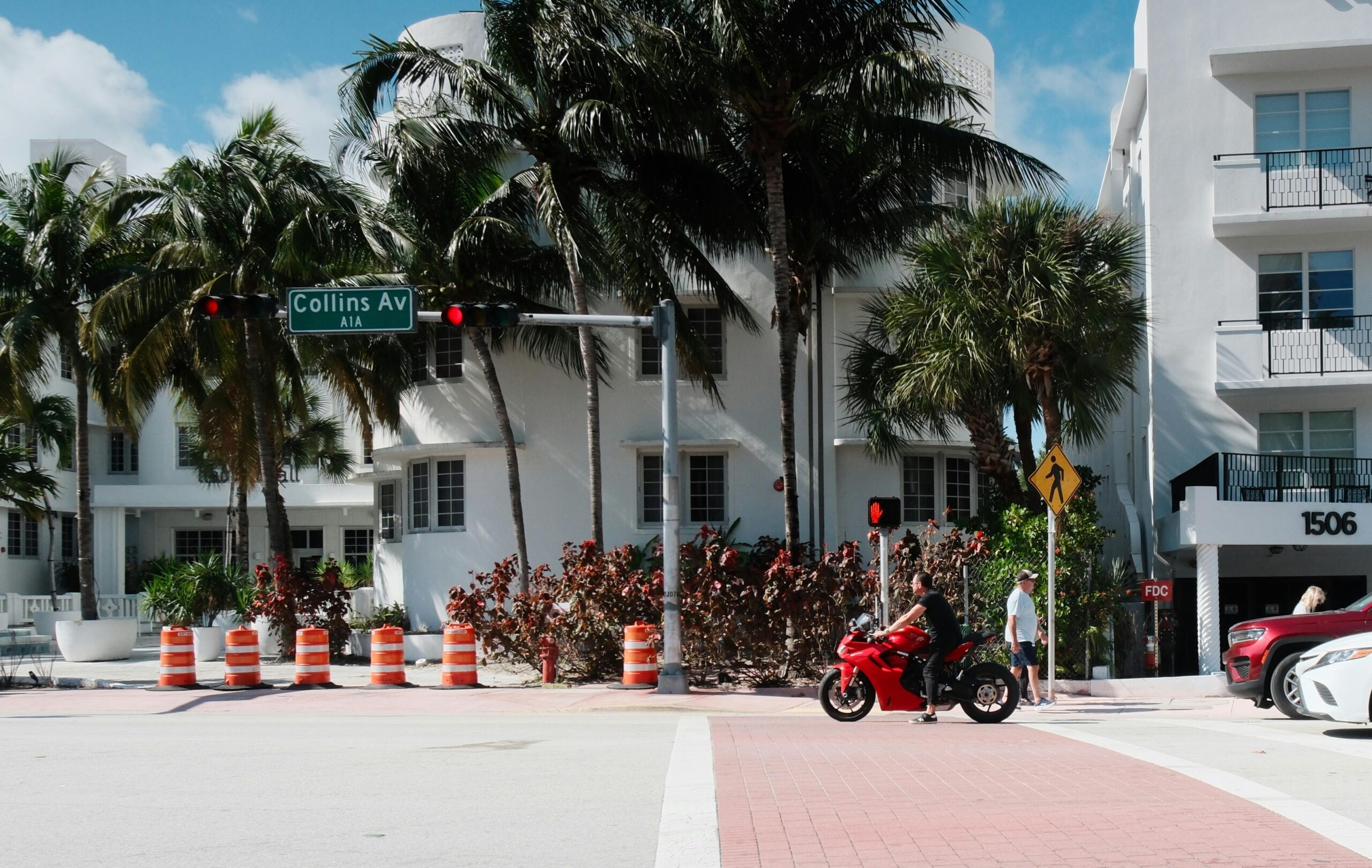
When it comes to Florida’s major metro areas, Miami stands out as the lone market projected to post a gain, albeit a modest one. Home prices in the Miami area are expected to rise about 1.1% next year, supported by strong international demand and continued interest from high-net-worth buyers.
Elsewhere in the state, however, price declines are anticipated to deepen, particularly along Florida’s Gulf Coast.
Gulf Coast Markets Face the Sharpest Corrections
The forecast indicates that some of Florida’s most dramatic price corrections are expected to occur in Southwest and Gulf Coast cities, where housing inventories have increased while buyer demand has cooled.
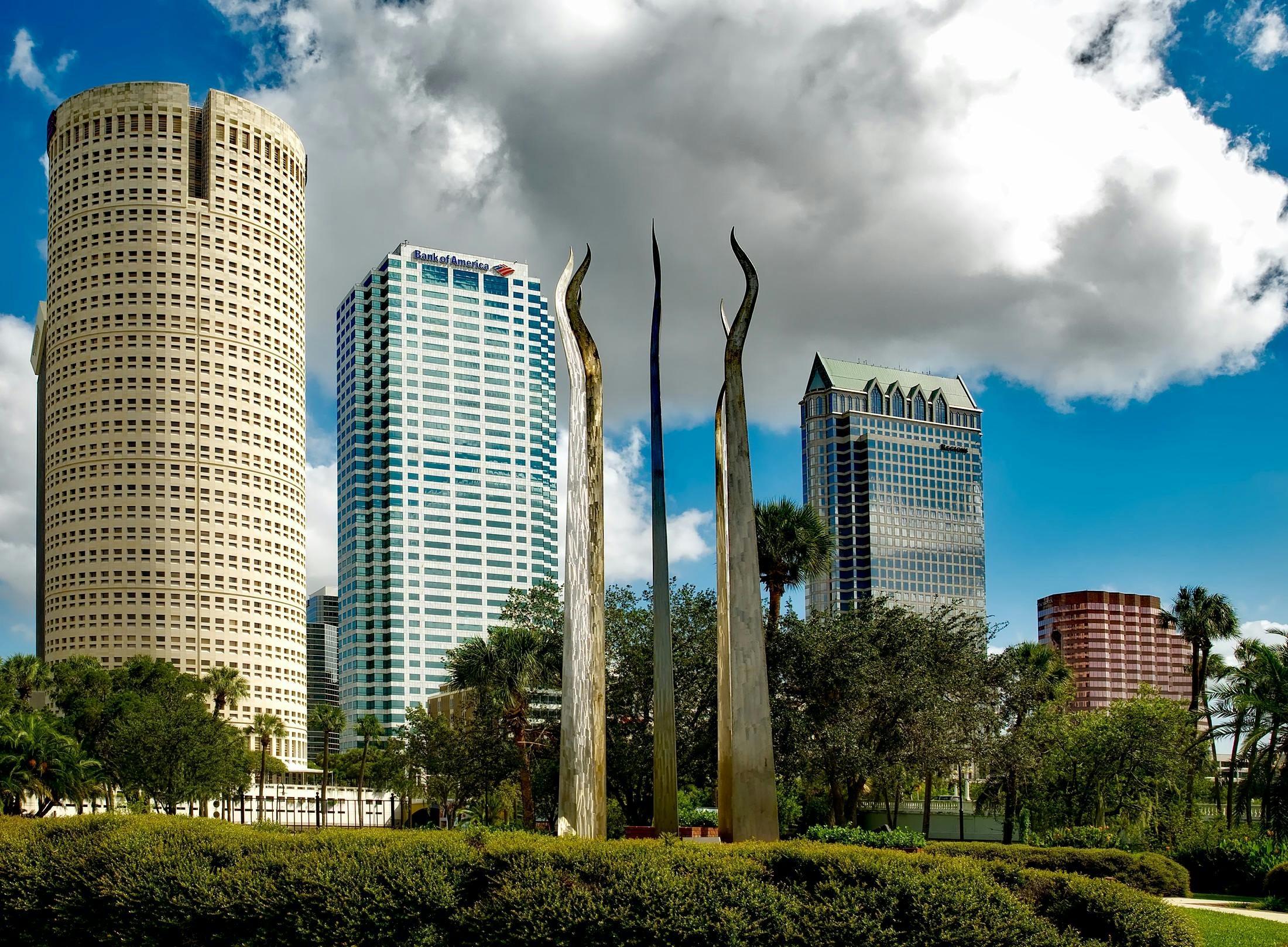
Cape Coral is expected to experience the steepest decline, with prices projected to fall more than 10% in 2026. North Port follows closely, with prices forecasted to decline by nearly 9%. Tampa, one of Florida’s fastest-growing metropolitan areas over the past decade, is also expected to see values decline, with a projected drop of roughly 3.6%.
These markets were among the biggest beneficiaries of pandemic-era migration, as buyers from higher-cost regions flocked to Florida for warmer weather, lower taxes, and the flexibility of remote work. But that surge in demand has faded, leaving behind elevated inventory levels and softer pricing power for sellers.
“Florida’s housing market has followed a very different trajectory than the national market over the past few years,” said Joel Berner, senior economist at Realtor.com. “The defining feature of Florida’s weakness has been rising housing supply at the same time demand has eased.”
A Multi-Year Cooling Trend
The expected 2026 declines continue a multi-year softening in Florida’s housing market, with statewide median listing prices down about 6% in the first half of 2025 compared with 2023. This decline is largely due to falling condo prices, which play a major role in the state’s housing mix.
Price corrections have been gradual, in contrast to the outsized gains earlier in the decade, when Florida outpaced most states.
Several factors are contributing to the slowdown. High mortgage rates have cooled purchasing power nationwide, but Florida has faced additional challenges that have weighed more heavily on buyer demand.
Rising Ownership Costs Erode Buyer Interest
Beyond home prices and interest rates, the increasing cost of owning a property in Florida has become a significant deterrent, particularly for condo buyers.
Homeowners’ insurance premiums have soared across the state due to escalating climate risks and reduced insurer participation. At the same time, homeowners’ association fees have surged, especially in condominium buildings grappling with new safety regulations and repair requirements.
“These auxiliary costs have become a major barrier for buyers,” Berner said. “Even when listing prices fall, rising insurance premiums and HOA assessments can erase any perceived savings.”
In response to growing concerns about affordability, Florida Gov. Ron DeSantis has floated the idea of eliminating property taxes on owner-occupied homes as a way to ease the cost burden. A recent Realtor.com analysis suggested that such a move could lift the value of owner-occupied homes by 7% to 9% almost immediately.
However, eliminating property taxes would require a state constitutional amendment approved by voters, and no such measure has yet been finalized for the ballot.
Construction Boom and Remote Work Pullback Add Pressure
Florida’s housing supply issues are also tied to its aggressive pace of new construction. The state has led the nation in residential building permits in recent years, adding large numbers of single-family homes and condo units even as demand began to slow.
At the same time, the retreat from remote work has reduced the flow of out-of-state buyers into Florida. As employers require more in-office attendance, migration patterns that once favored Sun Belt states have softened, dampening demand across many Florida markets.
“These trends are likely to persist into 2026,” Berner said. “Although easing mortgage rates could bring some renters into the homebuying market, builders are also likely to respond to falling prices by slowing new construction, which should help prevent further oversupply.”
Condo Market Weakness Drives Overall Declines
A closer look at Florida’s pricing data reveals that condominiums are at the center of the state’s housing slowdown. In October, median listing prices for Florida condos were down nearly 11% compared with the same month in 2023. By comparison, single-family home prices were down a more modest 3.6%.
On a price-per-square-foot basis, a measure often viewed as a more accurate indicator of underlying value, condos saw a 9.3% decline over the two-year period, while single-family homes dipped just 2.5%.
Industry analysts point to newly enacted building safety rules and rising HOA special assessments as key drivers behind the condo downturn, particularly in older buildings that require costly upgrades.
Despite recent declines, Florida home values remain well above pre-pandemic levels. Condo prices are still up 26% compared with 2020, while single-family homes have gained roughly 34% over the same period.
Affordability Gains Remain Elusive
Florida household incomes have also risen substantially, increasing an estimated 27% over the past five years. That income growth has helped restore some affordability, at least on paper, for condo buyers.
Before the pandemic, condos typically listed for about 4.6 times Florida’s median household income. In 2025, that ratio is expected to fall to approximately 4.4, making condos slightly more affordable than they were pre-2020.
Single-family homes tell a different story. In 2025, the typical single-family home in Florida was listed for about six times the state’s median household income, compared with an average ratio of 5.6 in the years leading up to the pandemic.
Even with falling prices, many buyers remain priced out, especially once insurance, HOA fees, and other ownership costs are factored in.
Outlook for Buyers and Sellers
Florida’s housing market is expected to remain under pressure in 2026, but analysts do not foresee a widespread crash. Instead, the market appears headed for a prolonged period of adjustment as prices, construction activity, and demand realign.
For buyers, falling prices may offer opportunities, particularly in the condo segment, but high ownership costs could continue to limit affordability gains. For sellers, especially in oversupplied markets, pricing competitively may be essential to attracting buyers in the year ahead.
As Florida enters the next phase of its housing cycle, the years of rapid appreciation appear firmly in the rearview mirror. All of it will soon be replaced by a more cautious and price-sensitive market outlook.